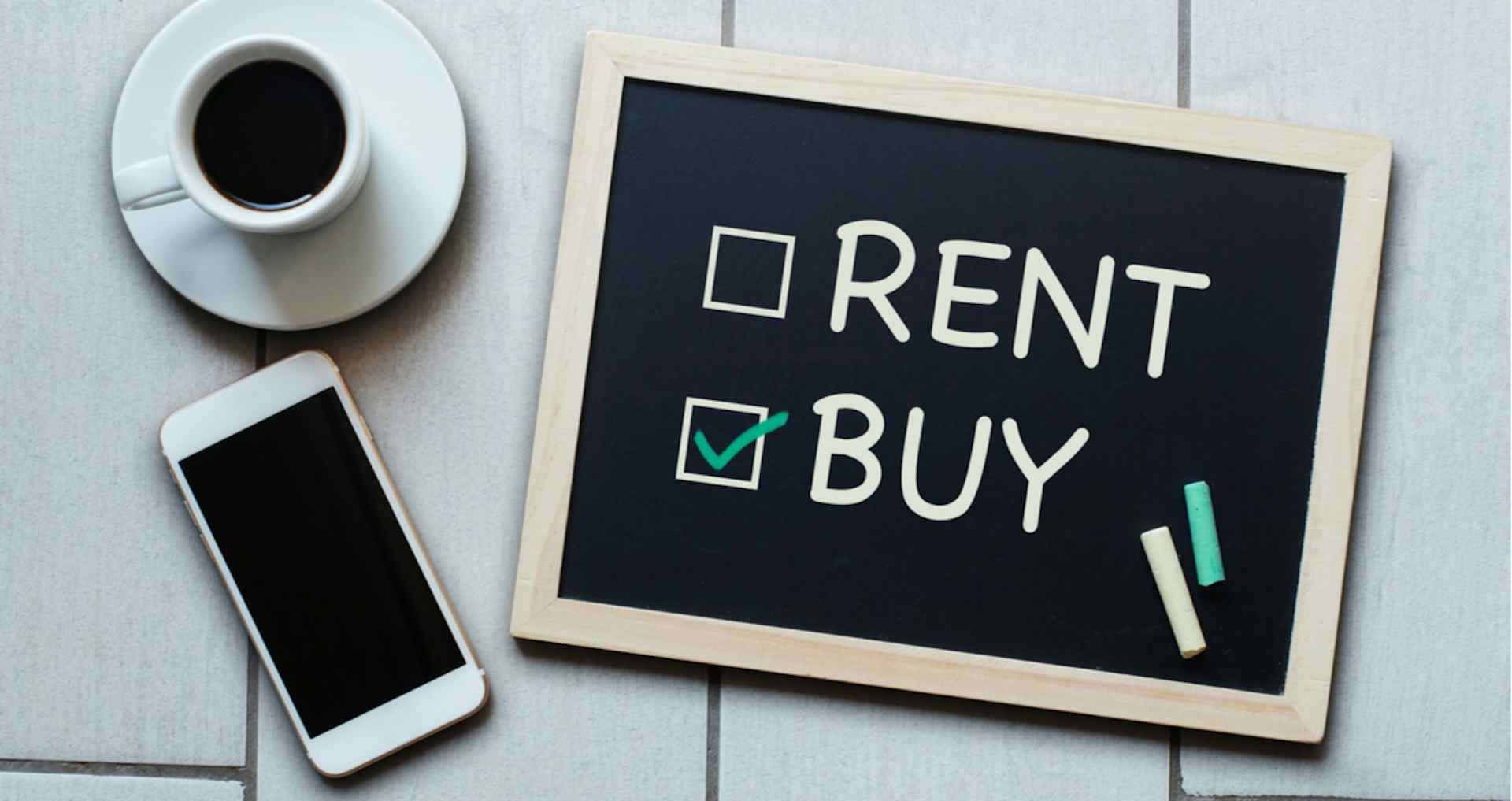
สำหรับหลายๆ คน การตัดสินใจเช่าหรือซื้อบ้านเป็นหนึ่งในตัวเลือกทางการเงินที่สำคัญที่สุดที่พวกเขาเคยตัดสินใจ ตัวเลือกทั้งสองมีข้อดีและข้อเสีย และสิ่งสำคัญคือต้องชั่งน้ำหนักปัจจัยเหล่านี้อย่างรอบคอบก่อนตัดสินใจ ในบล็อกนี้ เราจะสำรวจข้อดีและข้อเสียของการเช่ากับการเป็นเจ้าของบ้าน เพื่อช่วยให้คุณตัดสินใจได้อย่างมีข้อมูล
ข้อดีของการเช่า:
ความยืดหยุ่น
หนึ่งในข้อได้เปรียบที่สำคัญของการเช่าคือความยืดหยุ่นที่มีให้ การเช่าให้อิสระแก่คุณในการเคลื่อนย้ายได้ทุกเมื่อที่คุณต้องการโดยไม่ต้องกังวลเกี่ยวกับการขายทรัพย์สินของคุณหรือหาผู้เช่าเพื่อครอบครอง
ค่าใช้จ่ายล่วงหน้าที่ต่ำกว่า
การเช่าบ้านต้องมีการลงทุนล่วงหน้าที่ต่ำกว่าการซื้อบ้าน โดยทั่วไป ผู้เช่าจะต้องรับผิดชอบเงินประกันและค่าเช่าเดือนแรก ในขณะที่ผู้ซื้อจะต้องชำระเงินดาวน์ ชำระค่าใช้จ่ายในการปิดบัญชี และครอบคลุมค่าใช้จ่ายอื่นๆ เช่น ค่าธรรมเนียมการประเมินและตรวจสอบ
ไม่มีค่าบำรุงรักษา
เมื่อคุณเช่าทรัพย์สิน คุณจะไม่ต้องรับผิดชอบค่าบำรุงรักษาและค่าซ่อมแซม เจ้าของบ้านหรือบริษัทจัดการทรัพย์สินมีหน้าที่รับผิดชอบในการจัดการความต้องการในการซ่อมแซมหรือบำรุงรักษาใดๆ ที่เกิดขึ้นระหว่างการเช่าของคุณ
ข้อเสียของการเช่า:
ขาดการควบคุม
ในฐานะผู้เช่า คุณมีอำนาจควบคุมทรัพย์สินอย่างจำกัด คุณไม่สามารถทำการเปลี่ยนแปลงหรือปรับปรุงที่สำคัญโดยไม่ได้รับอนุญาตจากเจ้าของบ้าน
ค่าเช่าเพิ่มขึ้น
ราคาค่าเช่าสามารถเพิ่มขึ้นเมื่อเวลาผ่านไป และคุณไม่สามารถควบคุมได้ว่าเจ้าของบ้านจะตัดสินใจขึ้นค่าเช่าเท่าใด
ไม่มีส่วนได้เสีย
เมื่อคุณเช่าอสังหาริมทรัพย์ คุณจะต้องจ่ายค่าจำนองของคนอื่นเป็นหลัก คุณไม่ได้สร้างส่วนได้เสียหรือสัดส่วนการเป็นเจ้าของในทรัพย์สิน
ข้อดีของการเป็นเจ้าของ:
การลงทุนระยะยาว
การเป็นเจ้าของบ้านเป็นการลงทุนระยะยาวที่สามารถทำให้คุณรู้สึกถึงความมั่นคงทางการเงินและความปลอดภัย เมื่อเวลาผ่านไป มูลค่าของทรัพย์สินอาจเพิ่มขึ้น ซึ่งสามารถเพิ่มมูลค่าสุทธิของคุณได้
การควบคุม
ในฐานะเจ้าของบ้าน คุณสามารถควบคุมทรัพย์สินได้อย่างสมบูรณ์ คุณสามารถทำการเปลี่ยนแปลงหรือปรับปรุงได้โดยไม่ต้องได้รับอนุญาตจากใคร
ความเสมอภาค
เมื่อคุณเป็นเจ้าของบ้าน คุณกำลังสร้างความเท่าเทียมในทรัพย์สิน เมื่อคุณชำระหนี้จำนอง คุณกำลังเพิ่มสัดส่วนการเป็นเจ้าของในทรัพย์สิน
ข้อเสียของการเป็นเจ้าของ
ค่าใช้จ่ายล่วงหน้าสูง
การซื้อบ้านต้องมีการลงทุนล่วงหน้าจำนวนมาก รวมถึงเงินดาวน์ ค่าปิดบัญชี และค่าธรรมเนียมอื่นๆ สิ่งนี้อาจทำให้บางคนไม่สามารถซื้อบ้านได้
ค่าบำรุงรักษาและซ่อมแซม
ในฐานะเจ้าของบ้าน คุณต้องรับผิดชอบค่าบำรุงรักษาและซ่อมแซมทั้งหมด ซึ่งอาจมีราคาแพง
ความยืดหยุ่นที่จำกัด
การเป็นเจ้าของบ้านจะผูกมัดคุณกับสถานที่เฉพาะ ซึ่งอาจจำกัดความยืดหยุ่นของคุณหากคุณต้องการย้ายอย่างรวดเร็ว
บทสรุป
ทั้งการเช่าและการเป็นเจ้าของบ้านมีข้อดีและข้อเสียต่างกันไป และท้ายที่สุดแล้วการตัดสินใจจะขึ้นอยู่กับสถานการณ์และลำดับความสำคัญส่วนบุคคล หากคุณให้ความสำคัญกับความยืดหยุ่นและลดค่าใช้จ่ายล่วงหน้า การเช่าอาจเป็นตัวเลือกที่ดีที่สุดสำหรับคุณ อย่างไรก็ตาม หากคุณกำลังมองหาการลงทุนระยะยาวและควบคุมพื้นที่ใช้สอยได้มากขึ้น การมีบ้านสักหลังอาจเหมาะสมกว่า ไม่ว่าคุณจะเลือกอะไรก็ตาม ให้แน่ใจว่าได้พิจารณาปัจจัยทั้งหมดอย่างรอบคอบเพื่อทำการตัดสินใจที่เหมาะสมกับคุณ
Pros and cons of renting versus owning a house
For many people, deciding whether to rent or buy a home is one of the most significant financial decisions they will ever make. Both options have their advantages and disadvantages, and it’s important to weigh these factors carefully before making a decision. In this blog post, we’ll explore the pros and cons of renting versus owning a home to help you make an informed choice.
Advantages of Renting:
- Flexibility: Renting offers the freedom to move whenever you want without the hassle of selling a property or finding a tenant.
- Lower Upfront Costs: Renting typically requires a lower upfront investment compared to buying a home. Generally, renters are responsible for a security deposit and first month’s rent, while buyers must make a down payment, cover closing costs, and may incur additional expenses like appraisal and inspection fees.
- No Maintenance Costs: As a renter, you’re not responsible for maintenance and repair costs. The landlord or property management company handles any necessary repairs or maintenance during your tenancy.
Disadvantages of Renting:
- Lack of Control: As a renter, you have limited control over the property. You cannot make significant changes or improvements without the landlord’s permission.
- Rising Rent: Rent prices can increase over time, and you have little control over how much the landlord decides to raise the rent.
- No Equity: When you rent a property, you’re essentially paying someone else’s mortgage. You’re not building equity or ownership in the property.
Advantages of Owning a Home:
- Long-Term Investment: Owning a home is a long-term investment that can provide financial security and stability. Over time, the property’s value may increase, boosting your net worth.
- Control: As a homeowner, you have complete control over your property. You can make changes or improvements without seeking anyone’s approval.
- Equity: When you own a home, you’re building equity in the property. As you pay down your mortgage, you’re increasing your ownership stake.
Disadvantages of Owning a Home:
- High Upfront Costs: Buying a home requires a significant upfront investment, including a down payment, closing costs, and other fees. This can make homeownership unattainable for some people.
- Maintenance and Repairs: As a homeowner, you’re responsible for all maintenance and repair costs, which can be expensive.
- Limited Flexibility: Owning a home ties you to a specific location, which can limit your flexibility if you need to move quickly.
Conclusion: Both renting and owning a home have their own unique set of advantages and disadvantages. Ultimately, the best choice for you will depend on your individual circumstances and priorities. If you value flexibility and lower upfront costs, renting may be the better option. However, if you’re looking for a long-term investment and more control over your living space, owning a home may be a better fit. No matter what you choose, be sure to carefully consider all the factors involved to make a decision that’s right for you.